Source Collapsible Rectangle Kitchen Colander for Washing, Draining, and Storage
Explore 30 options for the collapsible rectangle kitchen colander, featuring durable TPE and PP materials. Compare models from brands like Homelife and Forbun, noting LFGB and FDA certifications, customizable logos, and dishwasher-safe designs for efficient home kitchen use; compare the available evidence and request quotations based on your requirements.
Key considerations
Products List




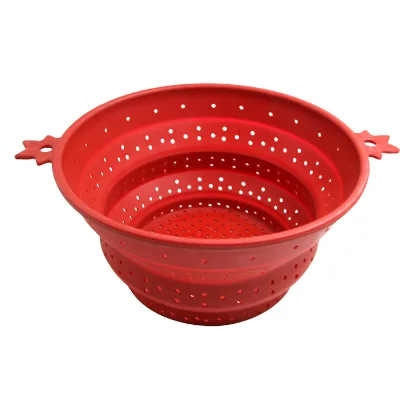


Comprehensive Sourcing Guide
Collapsible Rectangle Kitchen Colander Sourcing Guide
The market for collapsible rectangle kitchen colanders features distinct variations in material composition and functional design, primarily utilizing thermoplastic elastomers like TPE or TPR combined with rigid polypropylene frames. Buyers should note that observed listings frequently highlight eco-friendly attributes and durable construction, yet specific material blends such as silicone or PP vary significantly between suppliers. This diversity requires careful verification of the exact polymer mix to ensure the product meets specific durability and flexibility requirements for high-volume kitchen use.
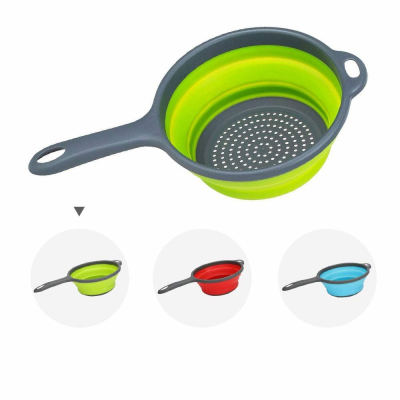
Procurement strategies must account for the wide range of observed listing prices and minimum order quantities, which span from single units to thousands of pieces. While some suppliers offer customized logos and specific color options like green, grey, or yellow, others may restrict customization or offer only standard configurations. Buyers need to align their order volume with the supplier's capacity to handle single-item sales or bulk carton packaging, ensuring the commercial terms match the intended distribution channel.
Product Scope and Observed Listing Signals
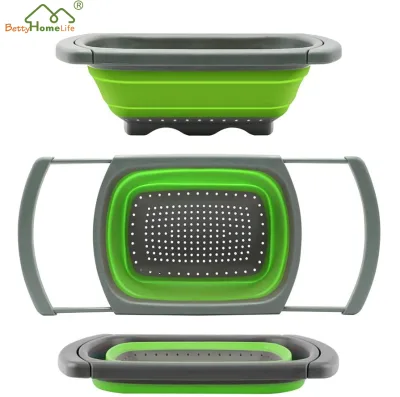
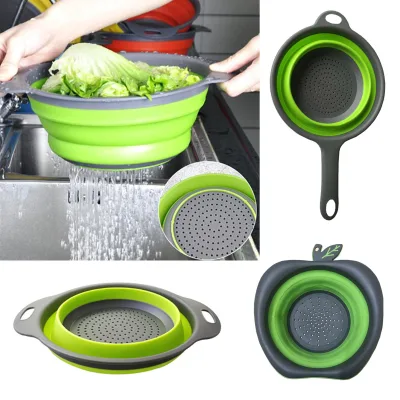
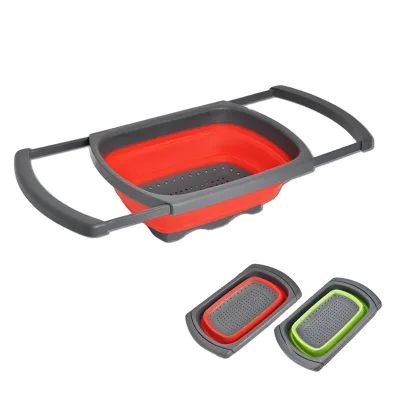
Buyers should verify that the product functions effectively as a vegetable colander strainer while maintaining a compact footprint when collapsed. Observed data indicates that these items often serve as extendable washing baskets, offering versatility for rinsing produce or draining pasta. The rectangular form factor is designed to maximize counter space efficiency, and the collapsible nature allows for easy storage in standard kitchen drawers or cabinets without occupying excessive volume.
It is critical to distinguish between different product names and model numbers, as listings may refer to the same item as a "filter basket," "strainer," or "kitchen helper." Specific model identifiers like HLB6935 or generic descriptors such as "Collapsible Strainer" appear in the market, often accompanied by varying single package sizes. Procurement teams must confirm that the physical dimensions, such as the observed 26.5x5x39.5 cm package size, align with the logistical constraints of their warehousing and shipping operations.
Technical Specifications to Verify
Technical due diligence must focus on the handle material and the structural integrity of the frame, which are typically constructed from plastic PP or similar rigid polymers. Buyers should confirm that the handle material is ergonomically designed for wet conditions and that the connection points between the flexible mesh and the rigid frame can withstand repeated extension and retraction cycles. The hardness of the material is often described as soft, which is essential for the collapsing mechanism but must not compromise the structural support needed for heavy loads of wet vegetables.
Verification of the product's physical dimensions and weight is essential for accurate freight cost calculations and storage planning. Observed specifications include single gross weights around 0.800 kg and varying size options such as small or XL dimensions. Buyers must ensure that the listed single package size and the expanded operational size match the intended use case, as discrepancies in these measurements can lead to significant logistical inefficiencies or customer dissatisfaction regarding the product's capacity.
Compliance and Safety Documentation
Safety compliance is a primary concern for food-contact kitchenware, and buyers must verify that the product holds valid certifications such as FDA or LFGB. These certifications confirm that the materials used, including the TPE, PP, and silicone components, are safe for direct contact with food and do not leach harmful substances under normal usage conditions. The presence of these certifications is particularly important for markets with strict regulatory requirements regarding kitchen utensils and food preparation tools.
Buyers should also confirm that the product meets specific care instructions, such as being dishwasher safe and microwave safe, as these features significantly impact consumer utility. While some listings explicitly state these capabilities, others may lack clear documentation, requiring direct inquiry with the supplier. Ensuring that the material composition supports these high-temperature and chemical cleaning processes is vital to prevent product degradation and to maintain the safety standards expected by end-users in the home kitchen environment.
Cost Drivers and Commercial Terms
The final cost of the product is heavily influenced by the complexity of the material blend and the extent of customization requested, such as logo printing or specific color variations. Suppliers offering customized logos and a wide array of color options like army green or blue may command higher unit prices compared to those providing standard single-color inventory. Additionally, the choice between polybag and carton box packaging can affect the overall landed cost, as bulk packaging often reduces per-unit shipping expenses but requires higher initial order volumes.
Minimum order quantities (MOQ) present a significant variable in the commercial terms, with observed ranges spanning from one unit to 6000 pieces. Buyers must negotiate terms that balance their inventory needs with the supplier's production capabilities, as low MOQs may result in higher per-unit costs while high MOQs tie up capital in stock. Understanding the sample availability is also crucial, as obtaining a physical sample before committing to a large order allows for a thorough assessment of quality and functionality without the risk of a large financial commitment.
Supplier Qualification and Quality Control
Supplier qualification should prioritize manufacturers located in established production hubs like Guangdong, China, where the supply chain for plastic kitchenware is mature and efficient. Buyers must verify the supplier's ability to maintain consistent quality across batches, particularly regarding the collapsible mechanism and the durability of the plastic components. The presence of a "Sample Available" attribute suggests that the supplier is willing to provide pre-production units for evaluation, which is a positive indicator of their confidence in their manufacturing processes.
Quality control protocols must include rigorous testing of the product's durability and the stability of the collapsible structure under repeated use. Buyers should request evidence of the supplier's internal quality checks, ensuring that the product does not fail prematurely or lose its shape after multiple cycles of extension and collapse. The acceptance of customized logos and specific packaging requirements also indicates a supplier's flexibility, but this must be balanced against their ability to maintain strict quality standards during the customization process.
Long-Term Procurement Checks
Long-term procurement success depends on establishing a reliable supply chain that can consistently meet demand without compromising on product safety or performance. Buyers should monitor the supplier's adherence to the agreed-upon specifications, including material composition, dimensions, and certification status, to ensure that future orders match the initial sample quality. Regular audits or third-party inspections may be necessary to verify that the supplier continues to meet the required standards for food-safe materials and durable construction.
Sustainability and environmental impact are increasingly important factors in long-term sourcing strategies, especially given the observed eco-friendly attributes of many listed products. Buyers should assess whether the supplier is committed to using recyclable materials or sustainable manufacturing practices, as this can enhance the brand value of the final product. Maintaining open communication regarding any changes in material sourcing or production methods is essential to ensure that the product remains compliant with evolving environmental regulations and consumer expectations.
FAQs
What materials are used in the collapsible colander?
The colander is constructed from TPE and PP plastic materials. This combination ensures the product is durable and eco-friendly for daily kitchen use. The handle is made of plastic PP for a secure grip. The design allows for easy storage when collapsed, making it a practical choice for home kitchens.
Can the collapsible colander be used in a dishwasher?
Yes, the collapsible colander is dishwasher safe. This feature simplifies cleaning after washing vegetables or fruits. The material composition supports this durability. Users can maintain hygiene easily without hand washing. It is designed for convenient maintenance in busy household environments.
What certifications does the product hold?
The product holds FDA and LFGB certifications. These standards ensure the materials are safe for food contact. Buyers can trust the quality for kitchen applications. The certifications verify compliance with international safety regulations. This makes the colander suitable for commercial and home use.
Is customization available for the brand name?
Yes, customized logos and brand names are acceptable. Buyers can request specific branding for their products. This service supports private label opportunities. The customization process allows for unique market positioning. It is ideal for businesses seeking tailored kitchen supplies.
What are the available sizes for the colander?
The colander comes in small and big sizes. Some models offer S and XL options. These sizes cater to different kitchen needs. The extendable design allows for versatile usage. Buyers can choose the size that best fits their storage and washing requirements.
Where is the product manufactured?
The product is manufactured in Guangdong, China. This location is a hub for kitchenware production. Buyers can source directly from this region. The origin ensures access to established supply chains. It supports efficient logistics for international orders.
What is the packaging method for the colander?
The colander is packed in polybags or carton boxes. This packaging protects the item during shipping. The single package size is approximately 26.5x5x39.5 cm. This method ensures safe delivery to buyers. It is suitable for bulk orders and retail distribution.